

All Our Own Work - The Occasional Ceilidh Band
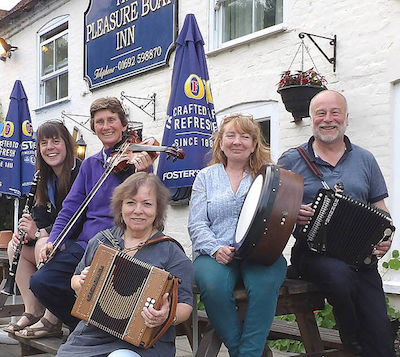 This 15-track CD from the Occasional Ceilidh Band, who hail from Norfolk, comprises 13 instrumentals – all suitable for including in an English ceilidh – and two songs.
The title of the recording, All Our Own Work, gives the game away: the tracks were all composed by members of the band – in some cases these are great first attempts at composing - and the recording itself was made in various domestic locations and a church hall, rather than in an expensive studio. This means that the overall production is not studio quality – a plus for me because what you hear is what the band played - there’s no hint of shenanigans by clever engineers. The Occasional Ceilidh Band will sound like this if you find yourself dancing to their music.
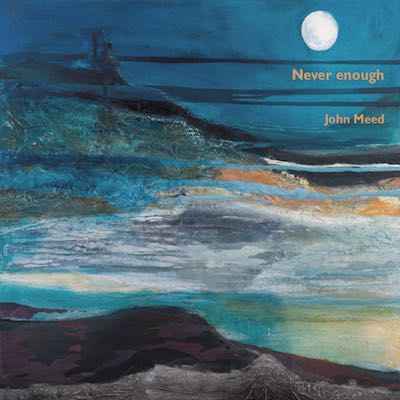 Although I’ve been a fan of Cambridge-based John Meed’s music for several years now, in my view his seventh album ‘Never Enough’ is possibly his finest work, finding him totally in control of his palette of words and ideas. John is a consummate wordsmith whose stories from today’s cityscapes are in turn punchily political and deeply personal and existential. Oh, and he writes great choruses too.
 ‘Miner’s Eyes’ is the second CD by this duo from Cambridge and Bury St Edmunds, and differs from their first - ‘Papers in my Shoe’, released in 2015 - in that it is built around their own compositions, whereas the previous one predominantly contained their versions of traditional songs and tunes in a cajun and bluegrass style. What the two albums have in common is very pared-down, simple (in the nicest sense of the word) arrangements, with just two voices, Gary Woolley’s guitar and Matt Kelly on fiddle, viola or mandolin: very much what you hear here is what you get when you see them live.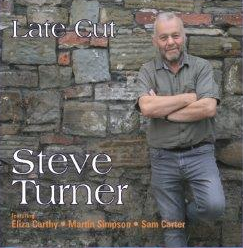
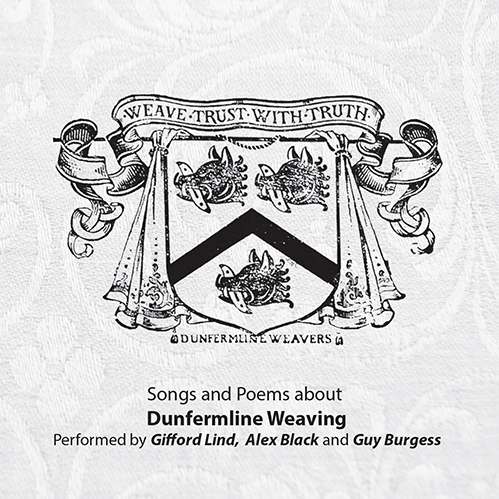 A project local to Dunfermline in which some local musicians were asked for songs to accompany weaving exhibits in the Carnegie Library and Galleries Museum. This album is built around the song and poem that were found, supplemented by original material. Some of the new songs are set to existing folk airs so that despite three contributors whose individual writing and performance styles can be differentiated, the material benefits from a cohesive approach. Enough preamble…
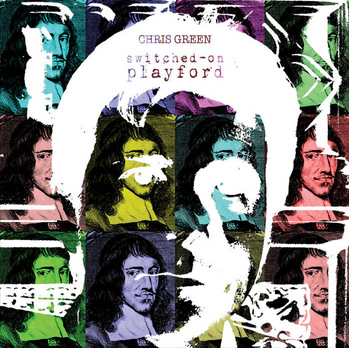 This is Marmite music. You hate it or love it. I love it, but recognise it is a niche market. It is ostensibly music to dance to, but with the complex arrangements and extremely long introductory passages and associated arrhythmical playing I cannot see it being used by any dance clubs for dancing to. The voices over-dubbed on some of the tracks are not very conducive to encouraging the dancers to concentrate on dancing. Chris Green has over-dubbed to infinity on all the tracks - he has only one guest musician Paul James who plays saxophone, the rest is all his own work, mastered by Steve Kitch.
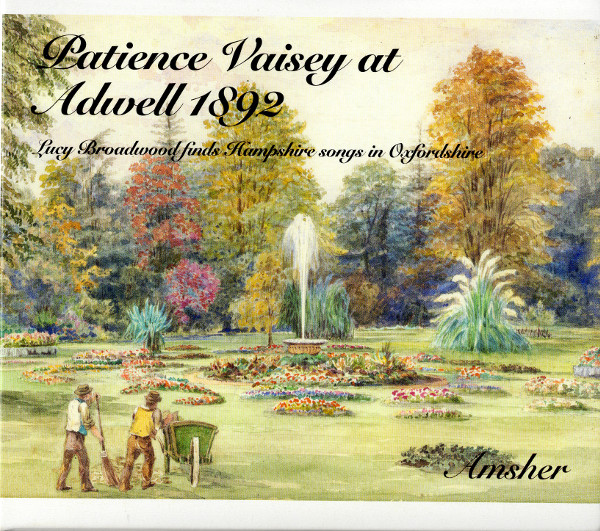 Lucy Broadwood visited her cousin Herbert Reynardson in 1892. He lived in Adwell House, Oxfordshire. The gardener's wife, Patience Vaisey was a Hampshire lass and sang her repertoire to Lucy, probably very gladly because her husband the gardener at Adwell didn't like folk songs preferring instead hymns Ancient and Modern. There's no accounting for taste!